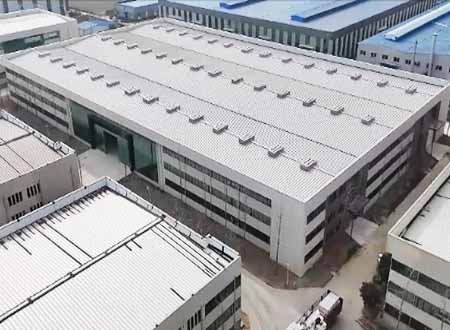
Why Warehouse Construction Matters in the African Market?
02/23/2026
Part I: The Real Demand – A Race Against Time
Africa doesn't need complex buildings — it needs fast, durable, and cost-effective warehouses.
As global supply chains restructure and the African Continental Free Trade Area advances, demand for quality warehousing has become strategic. From Mombasa to Lagos, ports face facility aging and bonded warehouse shortages. Meanwhile, traditional brick-concrete construction struggles with lengthy timelines (often exceeding 12 months), inconsistent local workmanship, and logistical headaches for overseas EPC projects.
The market urgently needs solutions that minimize reliance on local wet construction and offer predictable project delivery.
Part II: Key Design Considerations – Built for Africa
1. Climate Adaptability
Most of Africa features tropical savanna and desert climates. Roof systems must integrate ventilation ridges and thermal insulation. Coastal areas require heavy-duty anti-corrosion systems with high galvanization (275g/m²+) and fluorocarbon coatings. Large-span roofs need structural drainage for sudden downpours.
2. Function-Oriented Design
Whether for controlled atmosphere storage, mining warehouses with overhead cranes, or cold chain transit, clear height (typically 6-9m) and floor load standards must be defined early.
3. Logistics and Installation
Components must fit 40-foot high-cube containers and allow bolted assembly on-site. Pre-assembled modules enable rapid construction by local teams with minimal skilled labor.
Part III: Why Prefabricated Steel Works Best
1.Time is Cost: Factory prefabrication cuts construction time by over 50%, enabling rapid project deployment.
2.Quality and Cost Control: CNC cutting and automatic welding in controlled factories eliminate on-site errors, ensuring cost predictability.
3.Scalability: Steel structures allow future bay additions or vertical extensions, protecting initial investment.
4.Lower Life-Cycle Costs: Superior weather resistance means fewer maintenance expenses in Africa's harsh environments.
Part V: Ensuring Successful Delivery
1.Preliminary Planning: Structural calculations based on local wind loads and geology
2.Reliable Manufacturing: Q355B steel, automatic welding, and export-grade packaging for sea freight
3.On-Site Support: Experienced supervision or remote technical assistance for local crews Henan Gefan Building Materials Co., Ltd. specializes in prefabricated steel buildings for overseas markets — including warehouses, coal storage sheds, and industrial facilities. With strong execution capability and reliable quality, Gefan has successfully supported numerous projects across Africa.
Part VI: Conclusion
Africa demands reliable solutions — not low standards. With short construction timelines, adaptability, and low life-cycle costs, prefabricated steel warehouses are becoming the mainstream choice for modern logistics and industrial infrastructure across the continent.