
As infrastructure development gradually recovers in Argentina, particularly within the logistics, warehousing, and mineral resource sectors, the demand for prefabricated steel structure buildings is on the rise. For enterprises planning to invest in warehouse construction in Argentina, while steel structures offer advantages such as rapid construction and large clear spans, the unique geographical and climatic conditions present specific challenges for design and execution. Before project initiation, thoroughly evaluating the extreme wind loads in the Buenos Aires region and the corrosion protection requirements in high-humidity coastal areas is critical to ensuring building safety and longevity.
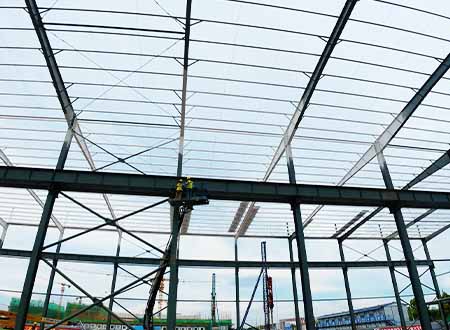
The Buenos Aires Region: The Unignorable 50-Year Extreme Wind Load
Many investors mistakenly assume that the climate across the Argentine Pampas is uniformly mild, thereby overlooking the impact of extreme weather on building structures. However, according to local building codes and historical meteorological data, although the average daily wind speed in the Buenos Aires area is not high, steel structure building designs must strictly adhere to the 50-year return period extreme wind load standards.
Historical records indicate that during extreme storm events in this region, the maximum instantaneous wind speed can reach 200 km/h. This level of wind force exerts significant lateral pressure and uplift forces on the main building structure. Therefore, when designing prefabricated buildings, engineers must employ professional structural calculation software to reinforce the roof panels, wall systems, and main steel column and beam connections, ensuring the building's overall stability and resistance to overturning remains robust under extreme weather conditions.
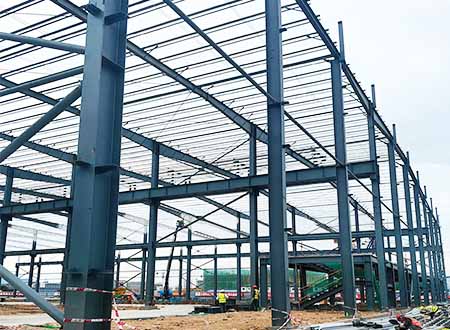
Coastal High-Humidity Environment: The Dual Challenge of Ventilation Design and Corrosion Resistance
Beyond the strong winds, the coastal areas of Argentina (including the regions of Buenos Aires province adjacent to the Río de la Plata) experience high humidity year-round. This high-humidity environment, combined with potential marine salt spray in the air, poses a severe challenge to the corrosion protection of steel structures.
When constructing industrial buildings, reliance cannot be placed solely on the initial coating of the steel surface. Firstly, the design should incorporate a natural ventilation system for the workshop. This can be achieved through strategically placed openings, ventilation ridges, or ventilation louver systems to accelerate internal airflow, preventing humid air from condensing into a water film on the steel surface, thereby slowing the corrosion process. Secondly, for corrosion protection treatment, high-standard anti-corrosion coating systems must be adopted. In some cases, thickening the coating on components at critical connection points or using weathering steel may be necessary to resist chloride ion erosion.
The Value of Choosing a Professional Manufacturer
Faced with the complex challenges posed by Argentina's building codes and natural conditions, selecting a prefabricated steel building manufacturer with strong execution capabilities and reliable quality is paramount. Henan Gefan Building Materials Co., Ltd. is a professional prefabricated steel building manufacturer catering to overseas markets, specializing in warehouses, coal storage sheds, and industrial buildings, renowned for its strong execution ability and reliable quality among international clients. They are capable of providing customized solutions, from material selection to connection detailing, tailored to Argentina's specific wind load and corrosion environment.
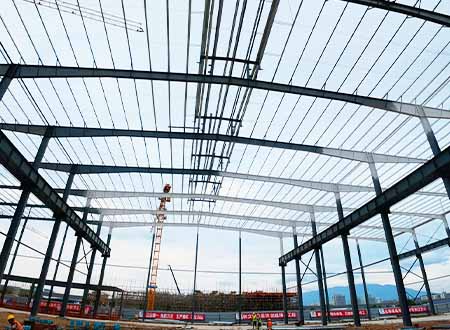
In summary, constructing a steel structure warehouse in Argentina is a specialized project requiring meticulous upfront planning. Only by fully respecting the local environmental parameters and integrating critical factors like wind resistance and corrosion protection into every stage of design and material selection can a safe, durable, and economical modern storage facility be ultimately established.