FAQ
Home > Products

Lightweight Steel Structure Building

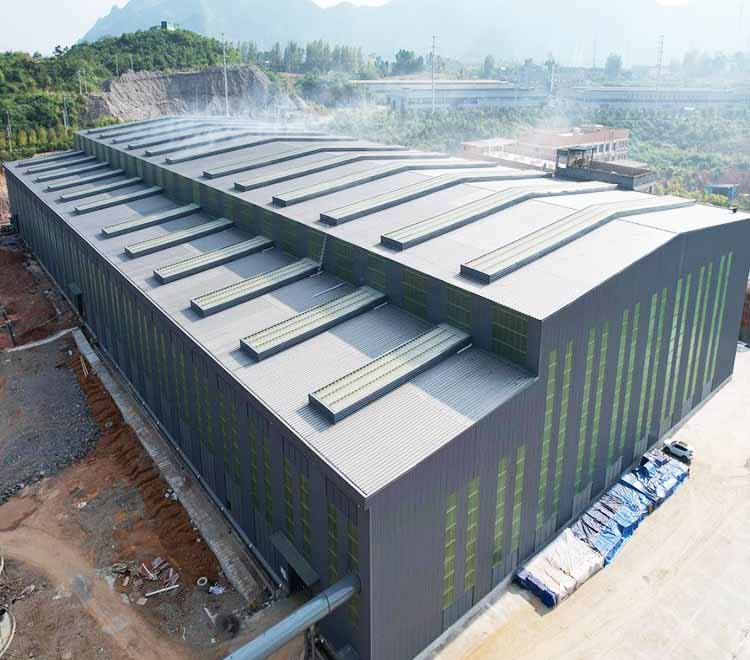
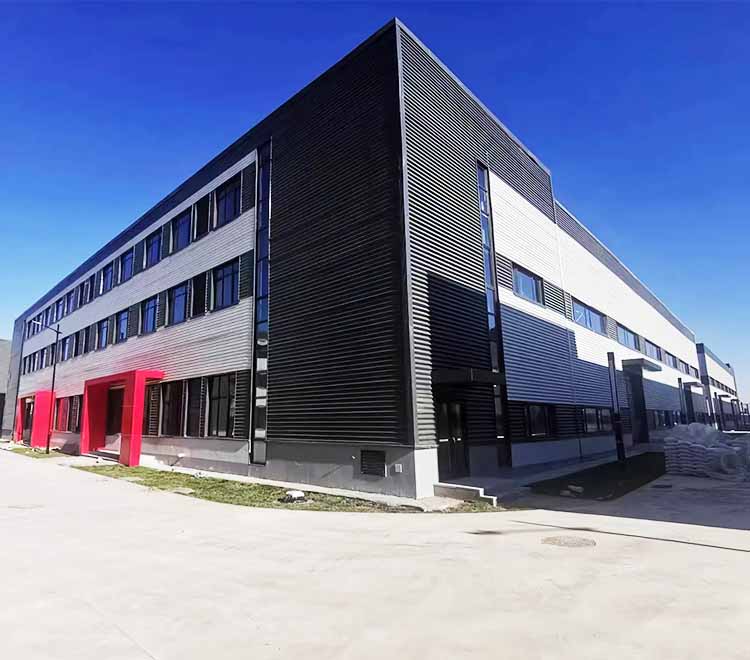
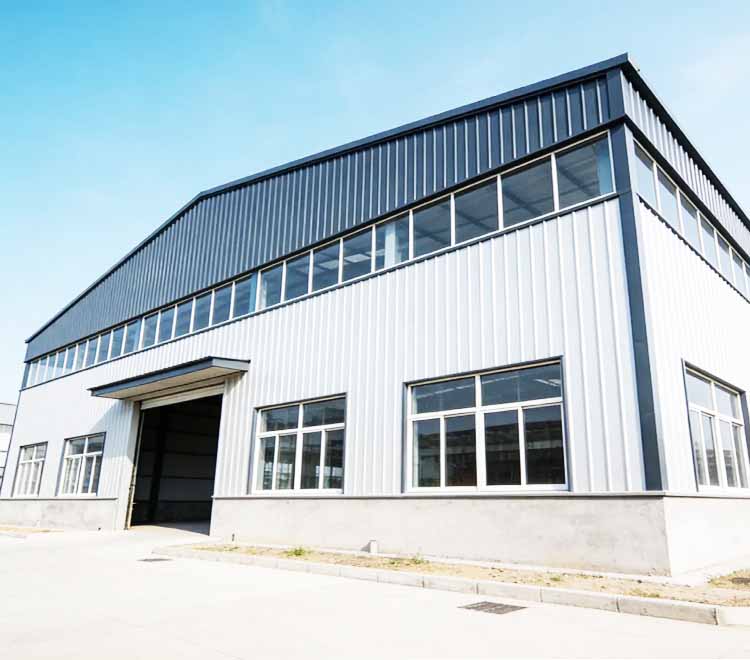
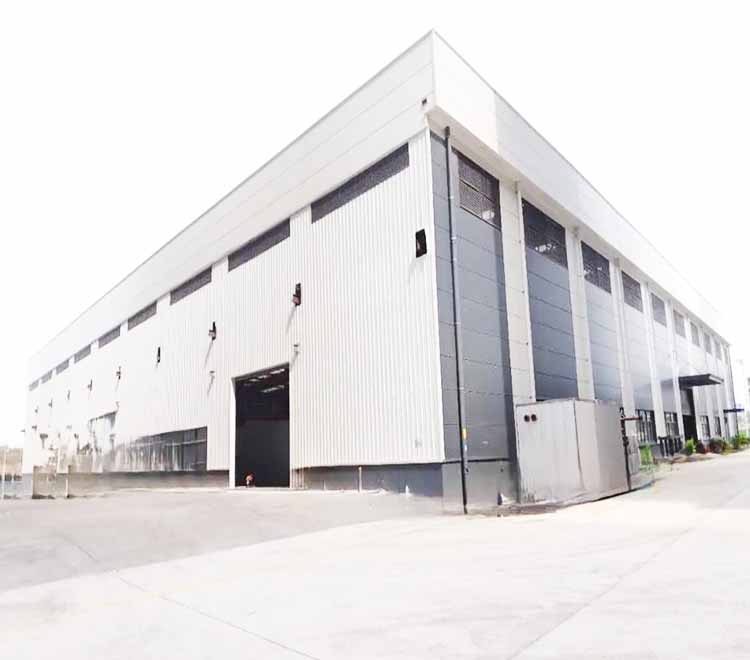
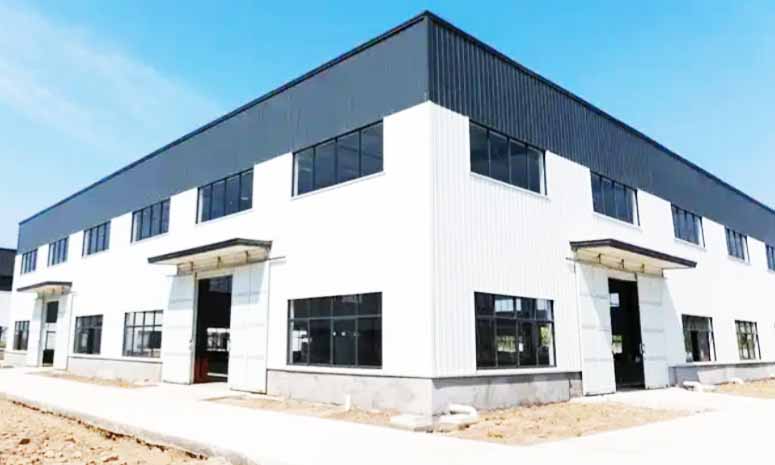
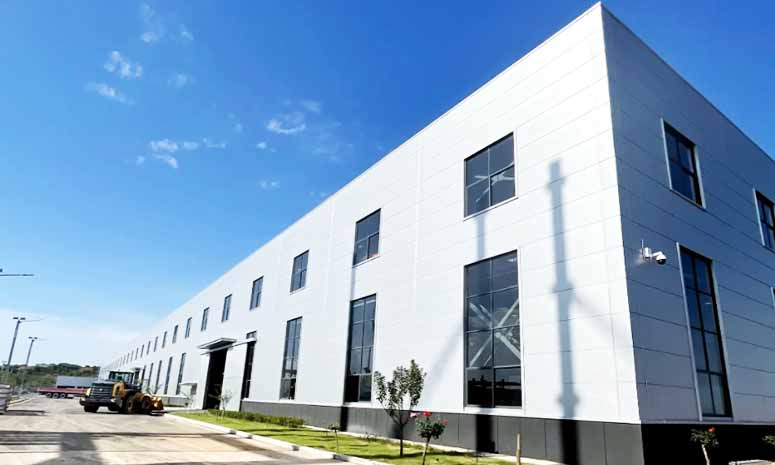
Structural System: Utilizes high-strength low-alloy steel complying with ASTM A572 standards, with a yield strength of 345 MPa. Load analysis is conducted based on international building codes, designed to meet wind load requirements (up to 200 km/h wind speed), snow load requirements (maximum 2.4 kPa), and seismic requirements (complies with IBC Seismic Design Category D). Spatial Design: Standard span ranges from 30 to 80 meters, expandable up to 150 meters based on demand. Eave height adjustable from 6 to 12 meters, providing unobstructed interior space with over 95% space utilization.
Building Span:30m – 150m
Building Height:6m – 12m
Roof materials: AMMB, PPGI, insulation layer
Packing:400sqm/40HQ
Service Life:50–70 years
Share:
Lightweight Steel Structure Building
Durability Performance: Hot-dip galvanized coating (average zinc coating thickness ≥275 g/m²) combined with a multi-layer anti-corrosion coating system, designed for a service life of over 50 years with maintenance cycles of 15-20 years. Sustainability Features: 100% steel recyclability, with over 90% of building demolition materials reusable. The thermal performance of the envelope system complies with ASHRAE 90.1 standards, reducing operational energy consumption by up to 30%.
Lightweight Steel Structure Building Design
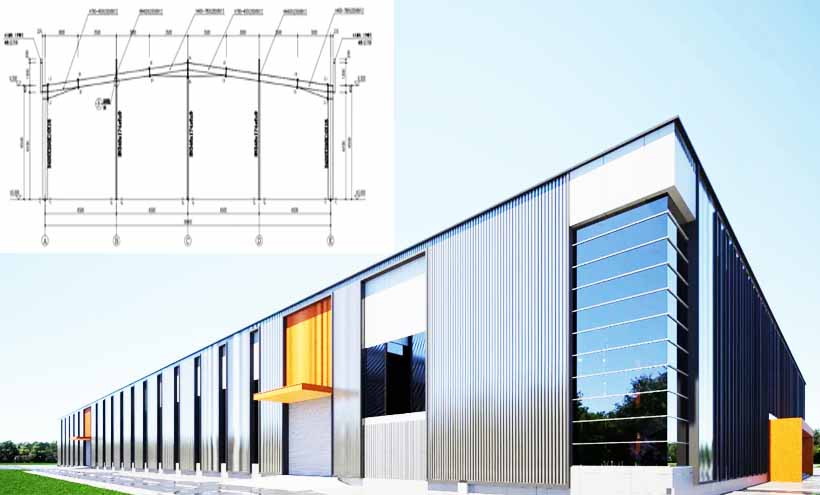
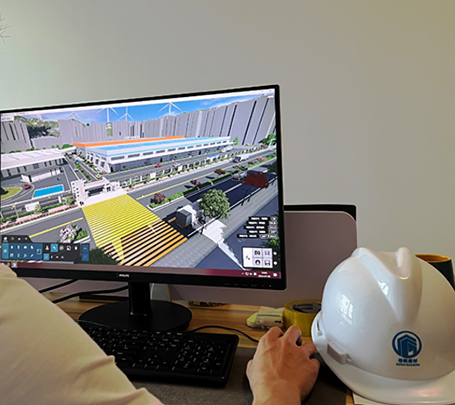
Our design process begins with comprehensive site assessment and needs analysis, integrating Building Information Modeling (BIM) technology for multidisciplinary collaborative design. The structural engineering team uses advanced analysis software for load simulation and seismic performance optimization, ensuring structural integrity under extreme conditions. Envelope system design comprehensively considers thermal performance, natural lighting, and ventilation requirements, offering multiple certified insulation material options. During the mechanical and electrical systems integration phase, pipeline routes and equipment interfaces are pre-planned to ensure seamless integration of building functions and operational needs.
Lightweight Steel Structure Building Production
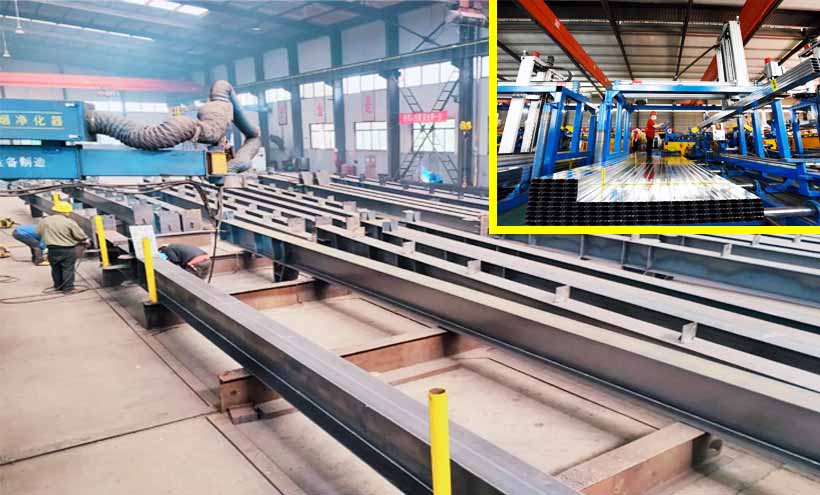
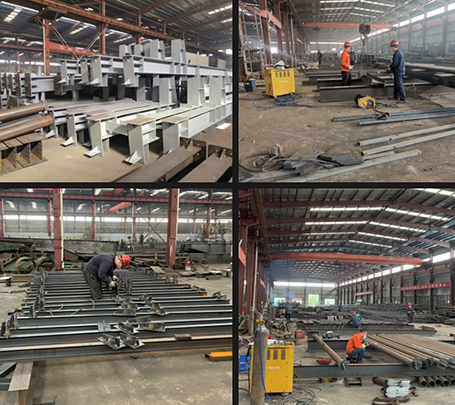
The manufacturing process starts with procurement of raw materials compliant with international standards, with each batch of steel accompanied by third-party inspection certificates. Automated production lines are equipped with Computer Numerical Control (CNC) cutting systems and robotic welding workstations, ensuring component machining accuracy within ±1.5 mm. The quality control system includes welding procedure qualification, non-destructive testing, and dimensional verification, with all critical connection nodes confirmed via digital scanning. Surface treatment employs automated shot blasting and spraying equipment, with coating thickness monitored and recorded in real-time using electronic thickness gauges.

Lightweight Steel Structure Building Packing & Transportation
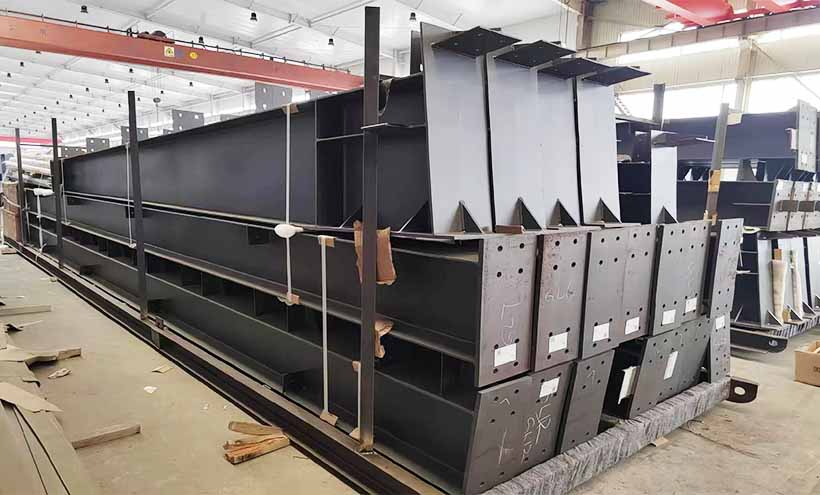
The supply chain management team develops optimal logistics solutions based on project location and schedule requirements. Standard components are packaged with moisture-proof materials and secured in custom steel frames, while oversized components are designed with specialized transport brackets to prevent deformation. Container loading plans are optimized using professional software to maximize transportation space utilization and ensure even load distribution. A global tracking system provides real-time cargo location updates, with each transportation unit accompanied by detailed identification labels and assembly drawing reference numbers.
Lightweight Steel Structure Building Installation
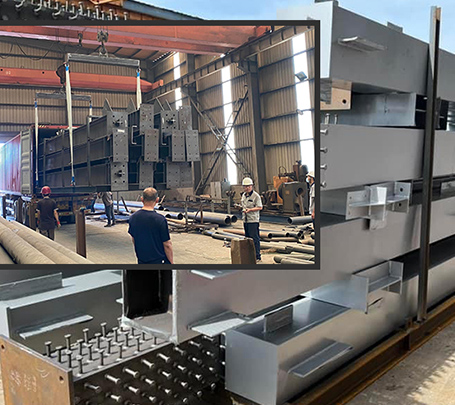
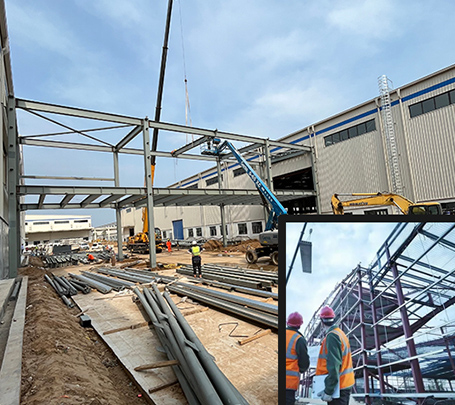
On-site construction follows modular assembly principles and is executed by certified installation teams. Foundation engineering proceeds concurrently with superstructure manufacturing, shortening overall project timelines. The installation process employs digital guidance systems, allowing access to 3D installation sequences and inspection checklists via mobile devices. Critical structural connections use calibrated torque tools to ensure fasteners achieve design pre-tension. The project management team employs agile methodologies to monitor progress, providing weekly installation status reports and quality verification records to ensure project completion within scheduled timelines and budgets.
OUR SERVICE
warehouse 3D design for free, Self production of all components, Export packing and transportation, Professional Installion team
Warehouse 3D design for free
Prefabricated steel buildings 3D renderings
Self Production
Self Production
Packing and Transport
Overseas Installation