
You've compared quotes from several suppliers. The price difference is significant. The low quote looks attractive. The high quote seems excessive. Now you're stuck wondering: what's the real difference?
This confusion is common among investors planning steel structure cold storage buildings. The price gap isn't random. It comes down to specific material choices. Here's what you need to understand before signing any contract.
Steel: Not All Grades Perform the Same
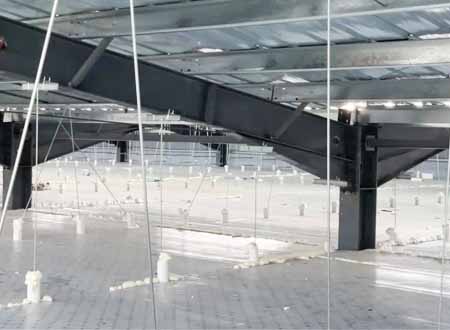
The frame is the backbone of your building. Q235B and Q355B steel sound similar on paper. They are not the same. The load-bearing capacity differs substantially. So does the price per ton. For a medium-sized cold storage facility, the material cost difference alone reaches five figures.
Then there are the purlins. Both suppliers quote "C-section steel." One uses 1.8mm thickness. The other uses 2.3mm. The thinner option saves money upfront. But under wind or snow load, it deforms. Deformed purlins put pressure on insulation panels. Gaps appear. Cold air escapes. Fixing it means removing the entire roof assembly.Galvanization is another invisible factor. Z80 and Z275 both count as galvanized. The difference? One lasts a few years. The other lasts decades. Cold storage creates constant condensation. Thin galvanization shows rust within three years. By the time you notice, corrosion has spread from corners to main structures.
Insulated Panels: Density Determines Performance
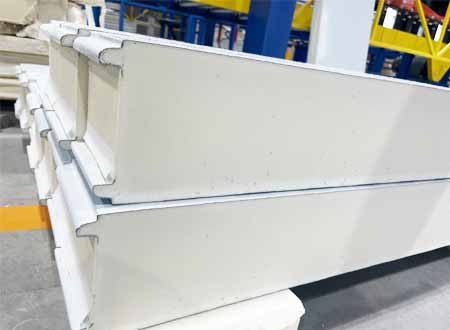
Both suppliers offer the same thickness of polyurethane sandwich panels. But density ranges from low to high. The price difference is real. So is the performance gap.
Low-density panels look fine during installation. After one or two years, they shrink. Joints open. Cold air leaks through every gap. Compressors run longer. Electricity bills climb. You can't shut down operations for repairs. You can't ignore the rising costs either.
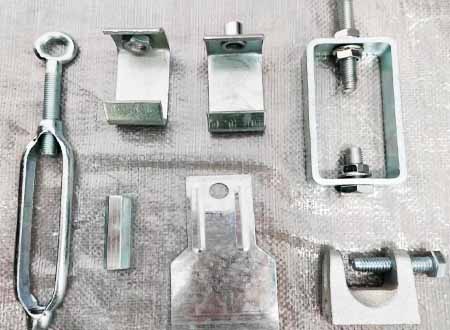
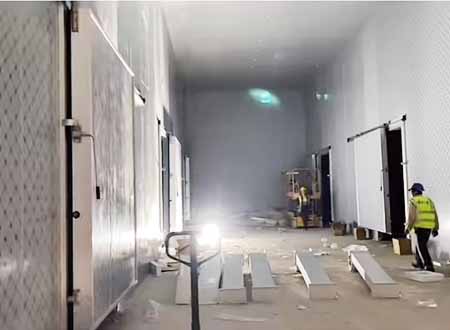
Henan Gefan Building Materials Co., Ltd. specializes in prefabricated steel structures for overseas markets, offering design, production, transportation, and installation services. After delivering hundreds of steel building solutions, we understand what affects your long-term costs.
A cold storage building is a long-term asset. Materials form the foundation. Details determine performance. Understanding these differences ensures your investment delivers what you expected.