Against the backdrop of rapid global industrial and logistics development, steel structure warehouses face severe challenges from harsh environments such as high corrosion, strong winds, and temperature fluctuations. Extending their service life has become an industry focus. The following analysis explores key solutions from three dimensions: materials, design, and maintenance.
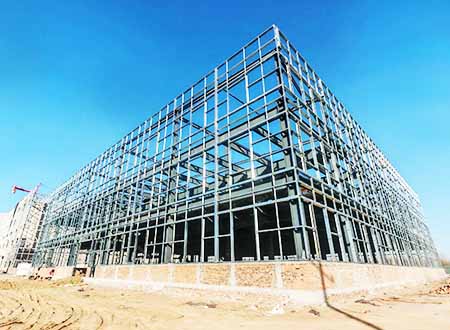
1. High-Performance Materials and Surface Treatment
Using weathering steel and hot-dip galvanized base materials combined with a multi-layer coating system can significantly extend corrosion protection. Epoxy zinc primer + fluorocarbon topcoat or nano-ceramic coatings can provide over 20 years of protection in salt spray and humid environments, reducing maintenance frequency.
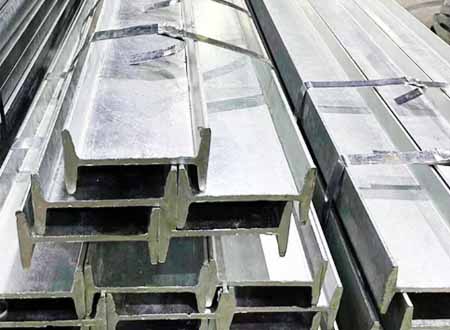
2. Precision Design and Prefabricated Production
BIM technology enables wind load, condensation, and thermal bridge simulations, addressing structural weaknesses at the design stage. Prefabricated steel structures are processed and coated in factories, ensuring precision and consistency, minimizing on-site welding damage, and enhancing overall airtightness and seismic resistance.
3. Intelligent Monitoring and Professional Maintenance
Embedding IoT sensors allows real-time monitoring of corrosion, stress, and deformation data, shifting from periodic inspections to predictive maintenance. This technology enables early warnings of local damage, extending the overall structural lifespan at minimal cost.
4. The Value of Integrated Solutions
Facing complex overseas environments, it is essential to choose partners with full-cycle service capabilities. Take Henan Gefan Building Materials Co., Ltd. as an example. As a professional prefabricated steel structure building manufacturer, the company specializes in the customized design and construction of warehouses, coal storage sheds, and industrial plants. It provides integrated solutions encompassing environmental assessment, wind-resistant design, standardized prefabrication, and corrosion control, ensuring high reliability and long-term performance in demanding environments.
5. Industry Trends and Outlook
Future steel structure warehouses will increasingly emphasize the integration of sustainability and durability, with trends such as photovoltaic-integrated design and the use of low-carbon steel. Investors should comprehensively evaluate suppliers' technical adaptability, quality control systems, and full-cycle service capabilities rather than focusing solely on initial construction costs.
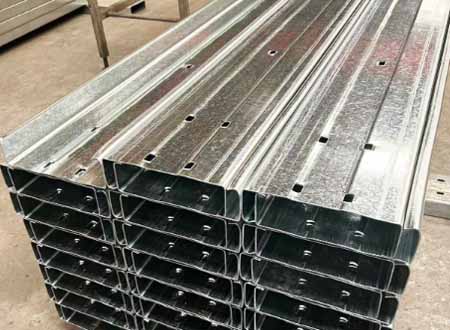
By combining material innovation, design optimization, and intelligent maintenance, modern steel structure warehouses can maintain long-term stability in harsh environments, providing sustainable infrastructure support for global supply chains.