
In the trend of transformation and upgrading in the wood processing industry, the architectural form of factory buildings directly impacts production efficiency, operational costs, and long-term development. With its unique advantages, steel structure buildings are becoming the preferred solution for the construction of modern wood processing plants.
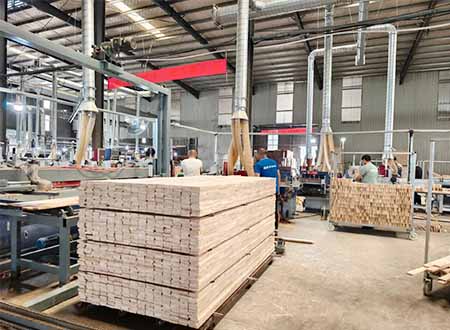
Why Choose Steel Structure Buildings?
1. Exceptional Durability and Stability
The main framework of steel structures utilizes high-strength steel, offering excellent resistance to wind and earthquakes. This makes it particularly suitable for large-scale wood storage and processing spaces. Through anti-corrosion and fireproof treatments, steel structures can effectively withstand the unique temperature and humidity conditions of wood processing plants, ensuring long-term safe and reliable operation.
2. Rapid Construction, Shortened Project Timeline
Steel components can be prefabricated in factories and assembled on-site using modular methods. Compared to traditional construction models, this can reduce construction time by 30% to 50%. This means your wood processing plant can become operational faster, allowing you to achieve a return on investment sooner.
3. Large-Span Spaces, Optimized Production Layout
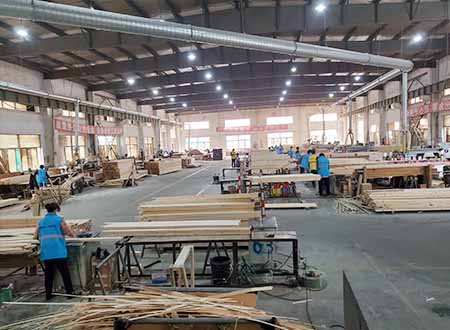
Steel structures can easily achieve large-span, column-free spaces, providing maximum flexibility for the arrangement of wood processing equipment, raw material storage yards, and finished product warehouses. Such open spaces are especially suitable for wood processing workflows that require long assembly line operations.
4. Energy Efficiency and Environmental Sustainability, Reducing Operational Costs
By incorporating insulated wall and roofing systems, modern steel structure factories can significantly reduce energy consumption. The integration of natural lighting design and ventilation systems further decreases the energy required for drying and ventilation in wood processing plants.
Key Construction Steps and Considerations
Phase 1: Planning and Design
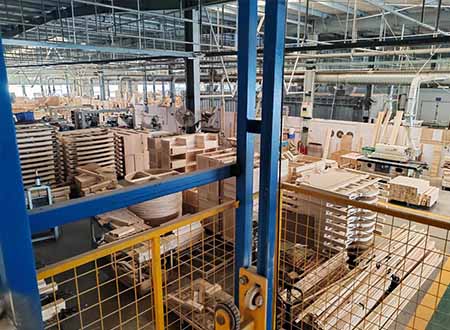
Functional Zoning Design: Clearly define the layout of raw material storage, processing area, drying area, finished product storage, and office spaces.
Load-Bearing Capacity Planning: Fully consider timber weight, equipment loads, and overhead system requirements.
Logistics Route Optimization: Ensure efficient and smooth material flow from raw materials to finished products.

Phase 2: Customization and Construction of Steel Structure
Main Frame Erection: Utilize standardized steel column and beam systems to ensure structural precision.
Enclosure System Installation: Select suitable roof and wall panels that balance thermal insulation with durability.
Doors, Windows, and Ventilation Systems: Design reasonable ventilation solutions tailored to the characteristics of wood processing.
Phase 3: Integration of Professional Systems
Fire and Explosion Prevention Measures: Configure specialized safety systems to address the properties of wood dust.
Environmental Treatment Facilities: Integrate environmental protection equipment such as dust collection and noise control systems.
Smart Upgrades: Reserve space for future modifications to accommodate automated production lines.
Key Advantages of Steel Structure Wood Processing Plants
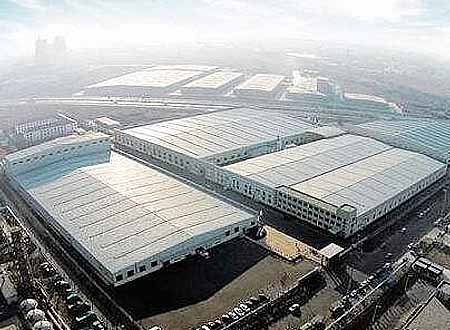
Flexibility and Scalability: As business grows, steel structure plants can be easily expanded or modified, offering strong adaptability.
Low Maintenance Costs: Steel structures provide high durability, require simple long-term maintenance, and deliver significant lifecycle cost-effectiveness.
Sustainability: Steel is recyclable, aligning with green building principles and enhancing the company's environmentally friendly image.
High Investment Value: The sturdy and durable nature of steel structure buildings makes them valuable assets for enterprises, with strong value retention.