Analysis of Construction Elements for Multi-Span Steel Structure Industrial Buildings: Economic and Performance Comparison of Single-Ridge vs. Multi-Ridge Designs
12/31/2025
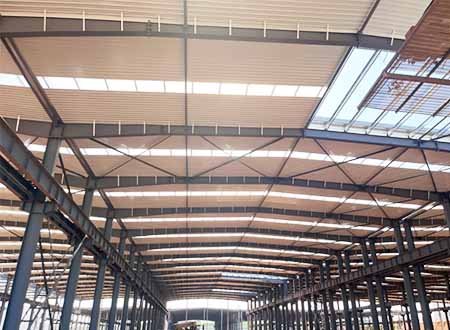
I. Core Construction Elements of Multi-Span Steel Structure Industrial Buildings 1. Structural Design Elements Accuracy of Load Calculations: Comprehensive calculation including dead loads, live loads, wind loads, snow loads, and seismic effects Optimization of Spans and Column Spacing: Rational determination of transverse spans (typically 15-36m) and longitudinal column spacing (6-12m) Frame System Design: Use of portal frame or bent frame structures to ensure transverse stability and longitudinal lateral resistance Joint Connection Design: Quality control for high-strength bolted connections and welding processes
2. Material Selection Elements Steel Grade Selection: Comprehensive performance evaluation of steel grades Q355B and above Corrosion and Fire Protection: Durability design of protection systems such as hot-dip galvanizing and fire-resistant coatings Enclosure System Materials: Thickness, coating quality, and thermal insulation performance of color steel sheets and sandwich panels
3. Drainage System Design Roof Drainage Solutions: Comparison and selection between siphonic drainage systems and traditional gravity drainage systems Slope Design: Balance between roof slope (typically 5%-10%) and drainage efficiency Gutters and Downpipes: Size calculation, material selection, and anti-clogging design
4. Foundation and Groundwork Application of Geotechnical Investigation Data: Determination of foundation type based on soil bearing capacity Foundation Type Selection: Applicability analysis of isolated footings, strip foundations, or pile foundations Settlement Control Measures: Prevention and monitoring schemes for differential settlement
II. Detailed Cost and Performance Comparison: Single-Ridge vs. Multi-Ridge Designs
1. Detailed Cost Difference Analysis Economic Advantages of Single-Ridge Structures: Simplified Structure, Material Savings: Single-ridge design reduces the number of ridges, decreasing primary and secondary steel usage by 8-15% Reduced Drainage System Costs: Reduces gutter length by 30-50%, saving material and installation costsReduces the number of downpipes and corresponding underground drainage networks ,Lowers drainage system maintenance costs by approximately 25% Improved Roof Construction Efficiency: Continuous single-slope roof reduces seam processing, increasing installation speed by 20-30% Simplified Ancillary Structures: Reduces redundant installation of ridge ventilators, skylights, and other facilities Additional Costs of Multi-Ridge Structures: Increased Structural Complexity: Multiple ridges require additional intermediate support structures, increasing steel usage by 12-20% Drainage System Redundancy: Each ridge requires bilateral gutters, increasing total length by 60-100% Doubles the number of internal downpipes, increasing indoor water risk points Complicates underground drainage networks, increasing civil engineering costs by 15-25% Seam and Sealing Costs: Additional waterproofing treatment required at multiple ridge joints, increasing material and labor costs
2. Performance and Risk Comparison Performance Advantages of Single-Ridge Design: Higher Drainage Efficiency: Unidirectional large-slope drainage with clear water flow paths reduces ponding risk Superior Indoor Environment Control: Avoids indoor condensation drip issues caused by multiple gutters Reduces indoor humidity increase due to leaks from multiple drainage channels Minimizes mold growth and corrosion risks, particularly suitable for precision manufacturing, food processing, and other industries Better Structural Integrity: Continuous roof reduces thermal stress concentration points, lowering leakage probability at joints More Flexible Usable Space: No intermediate ridge obstructions, facilitating crane arrangement and production line layout Disadvantages of Multi-Ridge Design: Increased Indoor Water Risk: Multiple internal downpipes become potential leakage points, difficult to repair Humidity Control Challenges: Condensation-prone zones easily form below gutters, affecting indoor environmental quality Higher Maintenance Costs: Multiple drainage systems require regular cleaning and inspection, increasing maintenance workload by 40-60% Visual Obstruction: Multiple ridges affect indoor spatial transparency and may hinder lighting system arrangement
3. Long-Term Operational Cost Comparison Over a 10-year lifecycle, the total cost of ownership for single-ridge steel structure buildings is typically 18-25% lower than for multi-ridge designs, primarily due to: Reduced energy consumption (lower air conditioning and dehumidification loads) Decreased maintenance and repair frequency Reduced downtime for repairs Improved production quality resulting from better indoor environment.
III. Optimization Recommendations and Key Technical Points
1. Applicability of Single-Ridge Design Single-story buildings with spans between 15-45 meters Regions with moderate to high rainfall Production types requiring high indoor environmental standards Investors seeking to reduce long-term operational costs
2. Key Technical Control Points Large-Slope Roof Design: Ensures smooth drainage while controlling steel usage Gutter Capacity Calculation: Designed for 50-year recurrence rainfall intensity with safety margin Anti-Condensation Design: Continuous installation of roof insulation layer to prevent thermal bridging Monitoring System Integration: Installation of humidity monitoring points for real-time indoor environment assessment
3. Applicability of Multi-Ridge Design in Special Cases Ultra-large spans (exceeding 60 meters) where structural rationality must be considered Occasions with special aesthetic requirements for architectural form Special cases with existing process equipment layout constraints
In the construction decision-making for multi-span steel structure industrial buildings, it is essential to comprehensively consider structural performance, lifecycle costs, and long-term operational efficiency. This article provides a detailed comparison between single-ridge and multi-ridge design solutions, analyzing aspects such as cost, drainage efficiency, indoor environmental control, and maintenance expenses. Overall, single-ridge design demonstrates significant advantages in most industrial application scenarios. For further information on customized steel structure solutions or technical consultation, please contactHenan Gefan Building Materials Co., Ltd. We offer end-to-end professional services, ranging from design support and material supply to construction guidance.